H1Page title (one per guide)
How Long to Boil Eggs: Times for Soft, Jammy, Hard, and Well-Done
The exact times for soft, jammy, hard, and well-done eggs from a hot start, plus what changes the clock and how to avoid the usual mistakes.
In this topic: Timing hubTime charttiming jammy eggsSoft boilhot start vs cold start boiled eggsEgg timerhow we test times
How long to boil eggs
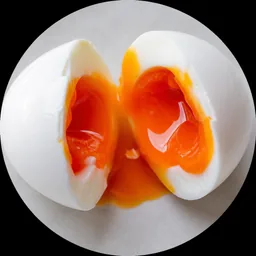
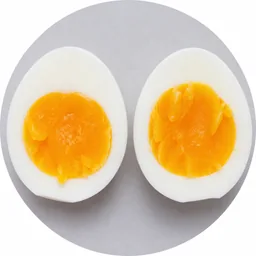
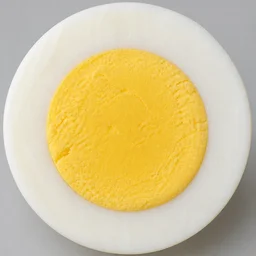
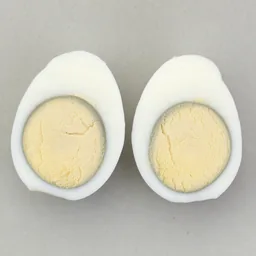
For a hot start — eggs lowered into water that's already at a rolling boil — the times are: 6 minutes for soft, 8 for jammy, 10 for hard, and 12 for well-done. These are large, fridge-cold eggs at sea level, timed from the moment they hit the water, followed immediately by an ice bath.
That's the direct answer. The rest of this guide covers the table, what nudges those numbers around, and where people usually go wrong.
Assumptions before you start
Every time below assumes:
- Large eggs (about 50–60g, USDA Large)
- Fridge-cold, straight from the refrigerator
- Hot start — eggs go into water that's already boiling
- Ice bath right after cooking, for at least a couple of minutes (longer is fine for hard-boiled)
- Sea level
If your stove runs hot or slow, your pot is crowded, or you're at altitude, expect the real result to shift by roughly 30–90 seconds from these numbers. That's normal — not a sign you did it wrong. Once you've tested your own setup once or twice, you'll know exactly where to land.
If you'd rather not watch the clock yourself, start the EggDone timer and pick the preset that matches the yolk you want.
Hot start time chart (default protocol)
This is the one chart to use for stovetop boiling. All times below are hot start — eggs added after the water is already boiling.
- Large fridge eggs
- Hot start · return to boil
- Ice bath after
- How we test →
Print this chartKitchen wall · no ads
| Style | Time (hot start) | Yolk result |
|---|---|---|
| Soft | 6 min | Set white, runny yolk |
| Jammy | 8 min | Custardy, jammy yolk |
| Hard | 10 min | Fully set, tender yolk |
| Well-done | 12 min | Firm yolk, good for chopping or egg salad |
For a deeper look at hard-boiled specifically, see the hard-boiled eggs time chart. If you're mainly after a jammy or runny yolk, the soft-boil guide walks through that end of the range in more detail.
How to boil eggs, step by step
- Bring a pot of water to a full rolling boil. Use enough water to cover the eggs by about an inch.
- Lower the eggs in gently with a spoon or spider — straight from the fridge, no need to bring them to room temperature first.
- Start your timer the moment the eggs go in. A gentle, steady boil (not a violent one) is enough; you don't need it roaring the whole time.
- When the time's up, move the eggs immediately into an ice bath. Let them sit for at least 2 minutes for soft or jammy, and longer — 5 to 10 minutes — for hard or well-done, since a longer cold soak helps the shell separate from the white.
- Peel when cool enough to handle, or store in the shell if you're not eating them right away.
The hot start method works well because you're not guessing when the water hits a boil partway through cooking — the clock starts at a known point, which is why it's easier to repeat the same result twice.
What changes the timing
- Egg size: medium eggs cook about 1 minute faster than large; extra-large or jumbo need about 1 minute longer.
- Altitude: above roughly 3,000 feet, water boils at a lower temperature, so add about 1 minute as a starting point and adjust from there.
- Crowded pot: too many eggs in too little water cools the boil down when you add them, which can quietly add 30–60 seconds to your effective cook time. Give them room.
- Vigorous vs. gentle boil: a hard, rolling boil versus a gentle simmer-boil can knock eggs into each other and crack shells, but it doesn't meaningfully speed up cooking — a steady boil is all you need.
None of these need a separate chart — just treat the times above as your baseline and nudge by 30 to 90 seconds based on your setup. For more on how we arrive at these numbers in the first place, see how we test boil times.
Cold start alternate (labeled separately)
Some cooks prefer starting eggs in cold water and bringing the pot up to a boil together. This is a genuinely different protocol with its own timing — don't mix these numbers with the hot start chart above.
- Large fridge eggs
- Hot start · return to boil
- Ice bath after
- How we test →
Print this chartKitchen wall · no ads
Cold start (fridge-cold, large eggs), timed from when the water reaches a boil:
- Soft: 6 minutes
- Jammy: 9 minutes
- Hard: 12 minutes
- Well-done: 14 minutes
Cold start tends to be gentler on shells since there's less thermal shock, but it's harder to nail precisely because "time to boil" varies by pot and stove. If you use this method, time consistently from the moment the water actually starts boiling, not from when you turn the burner on.
Storing what you don't eat right away
Cooked eggs shouldn't sit out longer than about 2 hours at room temperature. In the shell and refrigerated, hard-boiled eggs are good for about a week; once peeled, plan on 5 to 7 days. Freezing isn't recommended — the whites turn rubbery and don't come back to a good texture once thawed.
Common mistakes
Three failures that shift doneness more than people expect.
Starting the clock wrong
With hot start, the timer begins the second eggs enter boiling water — not when you turn the stove on.
Skipping the ice bath
Eggs keep cooking after you drain. Ice-bath right away to stop the yolk where you want it and help peeling.
Violent rolling boil
A hard boil cracks shells more than it speeds cooking. A steady boil and gentle lower-in motion are enough.
Frequently asked questions
How long do you boil eggs for hard-boiled?
10 minutes from a hot start (eggs lowered into already-boiling water), using large fridge-cold eggs. Pull them straight into an ice bath to stop the cooking and make peeling easier.
How long to soft boil an egg?
6 minutes hot start gives you a fully set white with a runny yolk. For a custardy, jammy middle instead of fully runny, go 8 minutes.
Does egg size or altitude change the boiling time?
Yes. Medium eggs need about 1 minute less, extra-large or jumbo need about 1 minute more, and above roughly 3,000 feet you should add about 1 minute since water boils at a lower temperature.
Is it better to start eggs in cold water or boiling water?
Both work, but they're different protocols with different times. Hot start (lowering eggs into already-boiling water) is what EggDone times by default because it's easier to control precisely. Cold start needs about 2 extra minutes across the board — see the labeled section below.